Choose OEM When
You have a defined product concept, stricter brand requirement, special appearance direction, target specification, or long-term product roadmap.
 Alibaba Verification
Brand Buyer Guide
US and European consumer electronics brands often ask for OEM or ODM earbuds before the project scope is fully defined. The better question is which production path fits the product risk, timeline, budget, customization needs, and launch channel.
The Short Difference
In an OEM earbuds project, the buyer usually brings a clearer requirement: target market, form factor, function priorities, appearance direction, acoustic expectation, packaging, compliance path, and production timeline. The factory then helps make that requirement practical for sampling and mass production.
In an ODM earbuds project, the factory provides a product platform or development base that can be adapted for the buyer's brand. This can be a good path when the buyer needs faster sampling, lower development complexity, or a proven structure, while still requiring logo, color, packaging, accessories, manual, and channel-specific presentation.
Many real projects sit between both paths. A buyer may begin with an ODM base and then request OEM-level changes in appearance, electronics, acoustic direction, firmware, packaging, or compliance preparation. iSoud helps buyers define that scope before samples are approved.
Decision Table
You have a defined product concept, stricter brand requirement, special appearance direction, target specification, or long-term product roadmap.
You want to evaluate an existing product base, reduce development time, test a market faster, or adapt a factory platform for your brand.
You need logo, package, manual, label, accessory, barcode, and carton customization around a stable earbuds model.
The sales channel, compliance path, sample standard, packaging text, or launch timeline is unclear. These gaps can create production risk.
What Buyers Should Prepare
Target buyer and market: country, sales channel, user scenario, price band, and launch timeline.
Product category: TWS earbuds, AI translator earbuds, open-ear audio, clip-on audio, or smart wearable extension.
Function priorities: sound direction, microphone use, battery target, Wireless behavior, controls, app or firmware expectations.
Brand scope: logo placement, ID/CMF direction, color, surface finish, packaging, manuals, inserts, labels, and carton marks.
Production expectations: sample quantity, approval criteria, inspection standard, compliance-readiness needs, order quantity, and shipment plan.
Risks to Avoid
A buyer can call a project OEM or ODM and still miss the important checkpoints. The real risk is approving a sample without written decisions on product configuration, appearance standard, packaging artwork, accessory list, testing points, compliance-readiness path, and final inspection criteria.
For earbuds, small changes can affect the product that eventually ships: charging case format, battery target, microphone expectation, touch-control behavior, material finish, logo method, manual language, and package text. Buyers should ask the factory to separate what is already validated from what still needs engineering review or sample confirmation.
This is why iSoud connects OEM/ODM discussion with customization planning, quality control, and factory verification instead of treating the project as a catalog SKU only.
Category Examples
Often suitable for private label or ODM first, then deeper OEM changes for ID/CMF, acoustic direction, case format, and packaging.
Usually need more product definition around travel, meetings, multilingual communication, APP alignment, microphone behavior, and user experience.
Require comfort, structure, wearing stability, awareness-driven use, acoustic direction, and brand form decisions before sampling.
May prioritize logo, packaging, carton marks, barcode labels, manual language, delivery timing, and consistent batch appearance.
Why iSoud
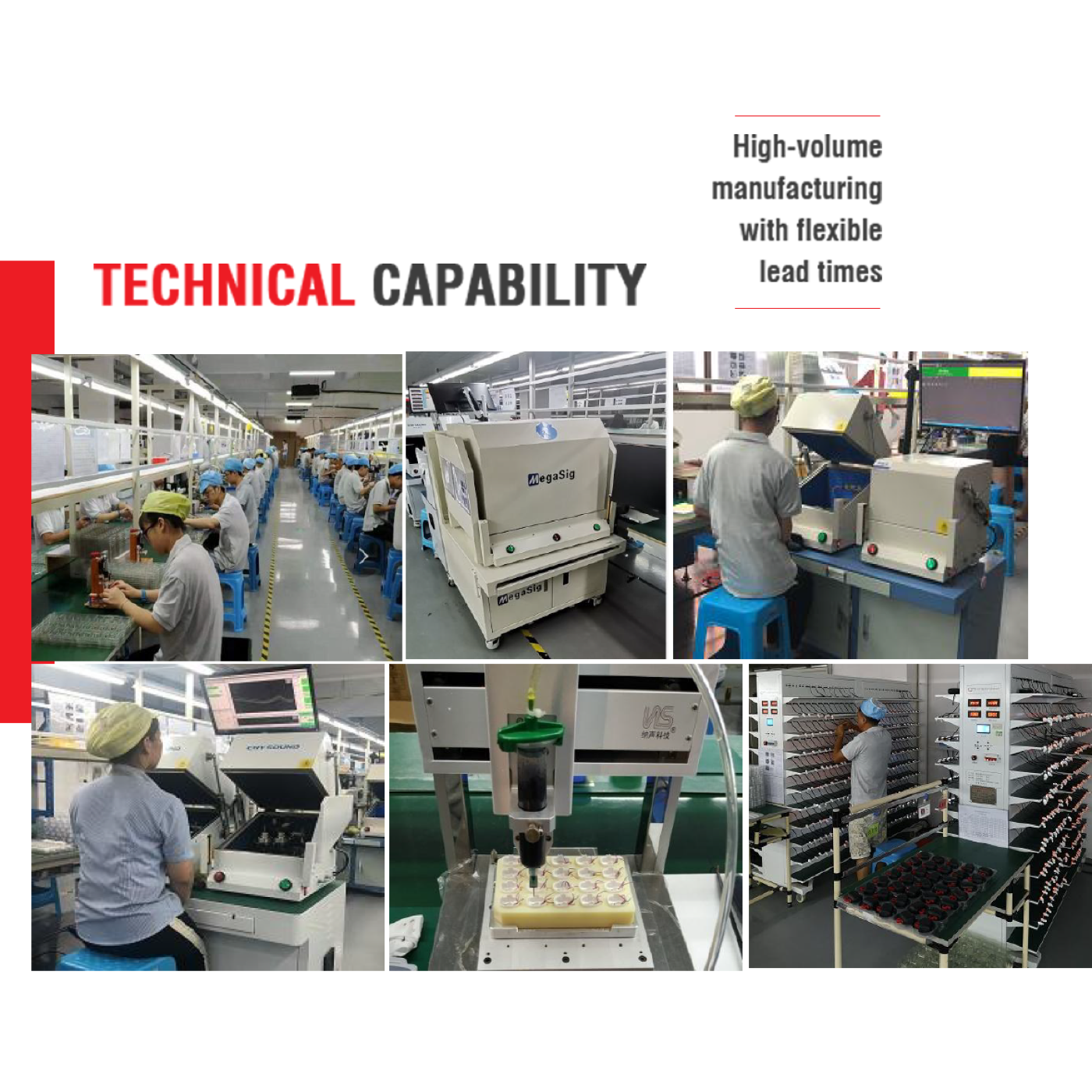
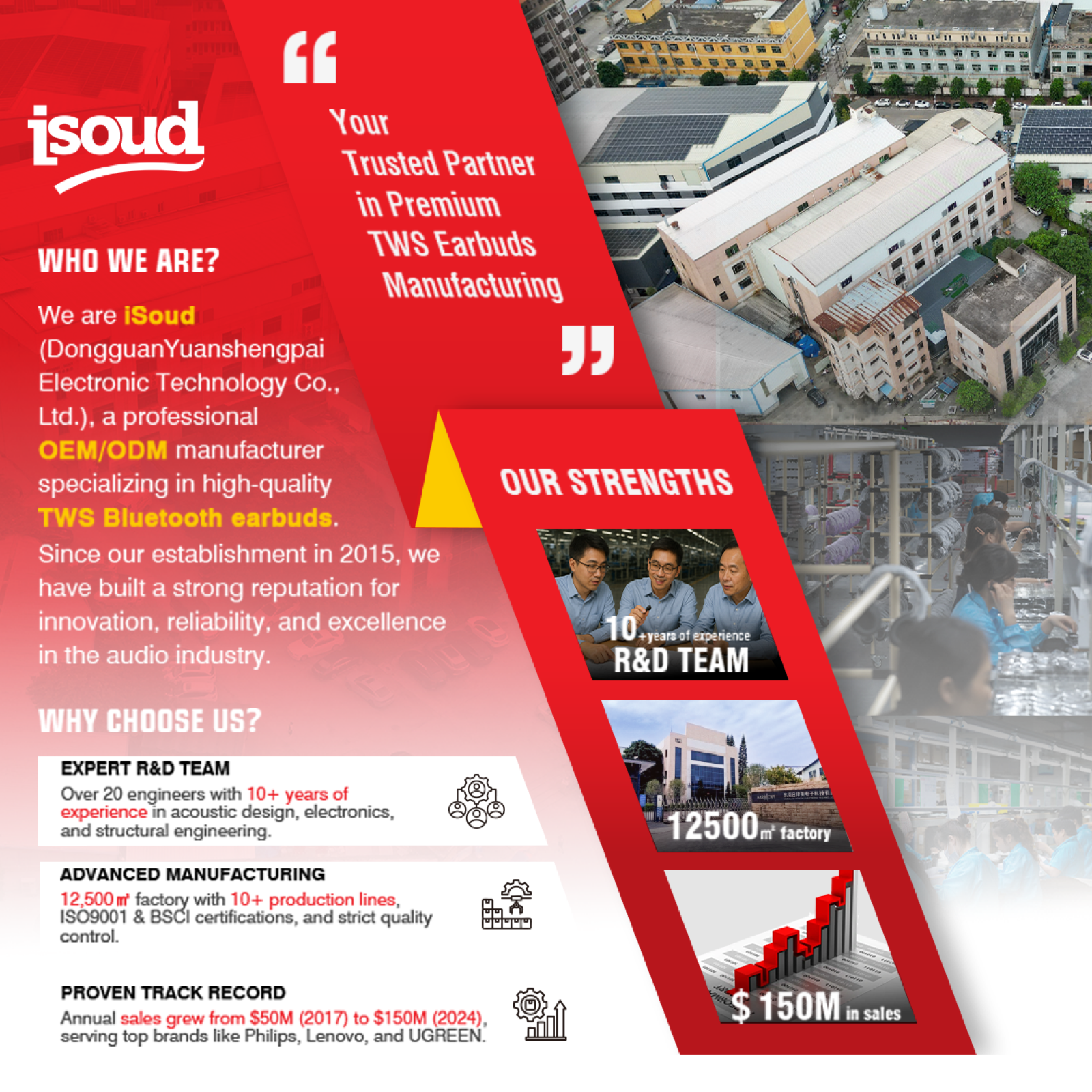
iSoud is the brand of Dongguan Yuanshengpai Electronic Technology Co., Ltd., a Dongguan-based OEM/ODM manufacturer founded in 2015. The factory profile includes a 12,500 square meter manufacturing site, 320+ staff, 20+ R&D engineers, and 10+ production lines for earbuds, AI audio, open-ear products, clip-on audio, and smart wearable work.
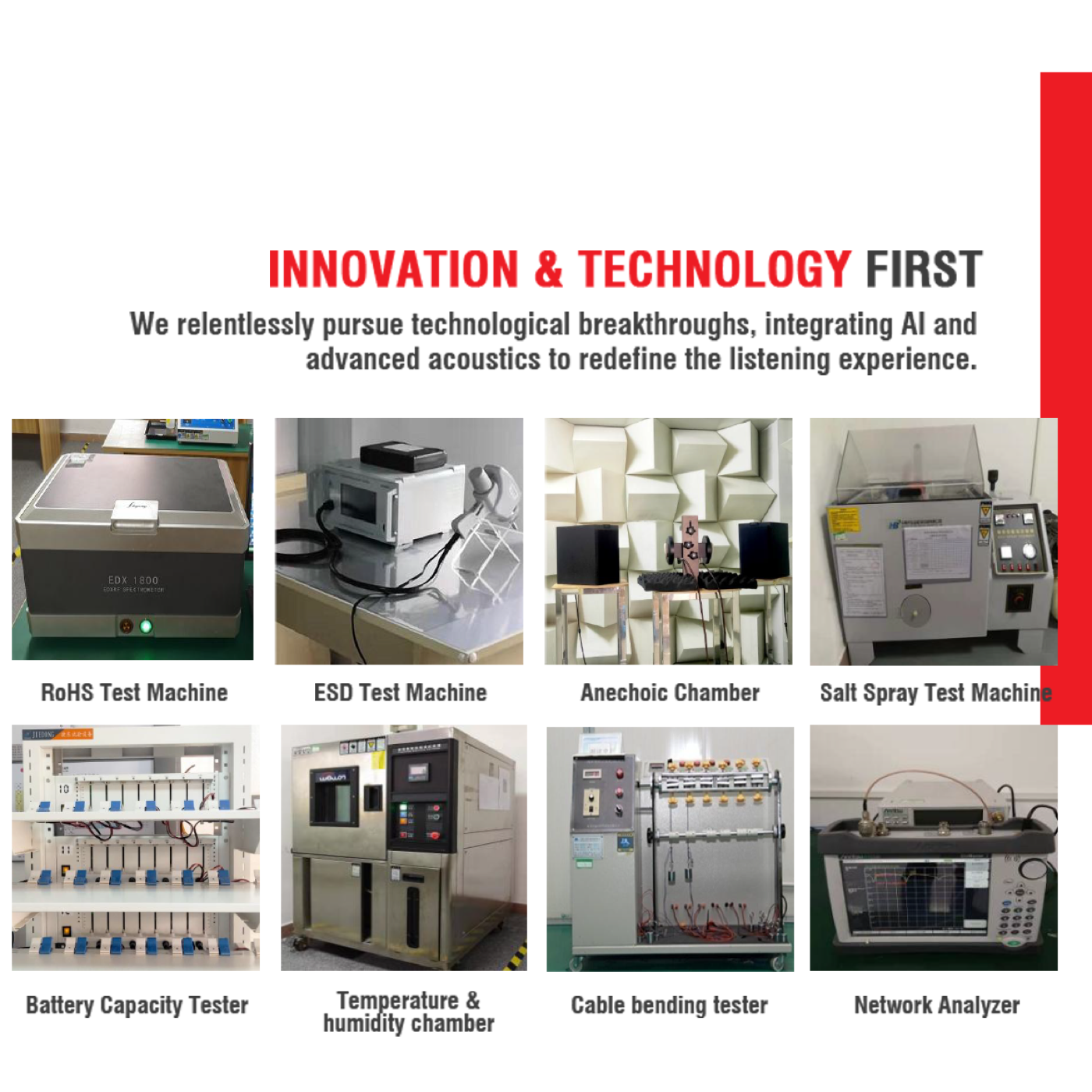
Buyers can use iSoud for early project clarification, ODM base review, OEM customization discussion, ID/CMF and logo planning, acoustic and electronics discussion, packaging preparation, sample validation, IQC/IPQC/OQC quality workflow, and production-readiness checks.
Related pages: TWS earbuds OEM/ODM | AI translator earbuds OEM/ODM | Open-ear earbuds OEM/ODM | Company fact sheet | Alibaba store
Project Contact
Send your target market, category, customization scope, sample needs, packaging expectation, compliance path, quantity plan, and launch timeline.